


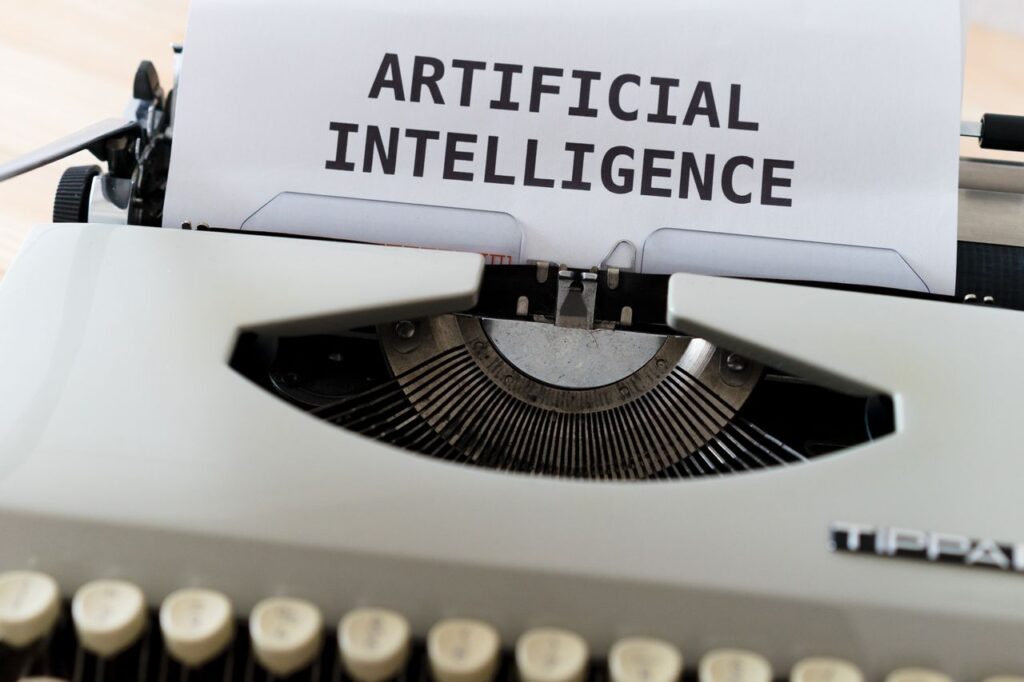
Artificial Intelligence, commonly known as AI, is one of the most exciting technologies of the modern era. From smartphones and virtual assistants to online shopping and healthcare, AI is changing the way people live and work. While the term may sound complicated, understanding the basics of AI is easier than you might think.
This beginner’s guide explains what AI is, how it works, its common applications, and why it is becoming an important part of everyday life.
What Is AI?
AI refers to computer systems that can perform tasks that normally require human intelligence. These tasks include learning, problem-solving, decision-making, understanding language, and recognizing patterns.
Unlike traditional software that follows fixed instructions, AI can analyze data, learn from experience, and improve its performance over time.
In simple terms, AI enables machines to think, learn, and make decisions in ways that resemble human intelligence.
How Does AI Work?
AI works by processing large amounts of data and identifying patterns within that information. Using advanced algorithms, AI systems can learn from previous experiences and make predictions or recommendations.
The basic process includes:
- Collecting data
- Analyzing patterns
- Learning from the data
- Making decisions or predictions
- Improving through continuous learning
The more quality data an AI system receives, the more accurate and effective it becomes.
Types of AI
There are different types of AI, each designed for specific purposes.
Narrow AI
Narrow AI is designed to perform a specific task. Most AI systems used today fall into this category.
Examples include:
- Voice assistants
- Recommendation systems
- AI chatbots
- Navigation applications
General AI
General AI is a more advanced concept where machines can perform any intellectual task that humans can do. This type of AI remains under development and has not yet been achieved.
Generative AI
Generative AI creates new content such as text, images, videos, music, and code. These tools have become extremely popular because they help users generate content quickly and efficiently.
Common Applications of AI
AI is already part of many everyday activities. Here are some common examples:
Virtual Assistants
Voice assistants use AI to answer questions, set reminders, and perform tasks using voice commands.
Online Shopping
E-commerce platforms use AI to recommend products based on browsing history and customer preferences.
Social Media
AI helps personalize content feeds, suggest friends, and improve user experiences on social platforms.
Healthcare
Medical professionals use AI to assist with diagnosis, treatment planning, and patient monitoring.
Finance
Banks use AI to detect fraud, analyze transactions, and provide personalized financial recommendations.
Transportation
Navigation apps and smart traffic systems use AI to improve travel efficiency and reduce congestion.
Benefits of AI
AI offers many advantages for individuals and businesses.
Increased Efficiency
AI can automate repetitive tasks and complete them much faster than humans.
Better Decision-Making
By analyzing large amounts of data, AI can provide valuable insights and recommendations.
Improved Accuracy
AI reduces human error and improves consistency in many processes.
Personalized Experiences
Many services use AI to provide recommendations and content tailored to individual users.
24/7 Availability
AI-powered systems can operate continuously without breaks, providing support whenever needed.
Challenges and Limitations of AI
Although AI offers many benefits, it also comes with challenges.
Privacy Concerns
AI systems often rely on large amounts of personal data, raising questions about privacy and security.
Job Displacement
Automation may reduce the need for certain repetitive jobs while creating demand for new technical roles.
Bias in Data
If AI is trained using biased data, it may produce unfair or inaccurate results.
Dependence on Technology
Overreliance on AI could reduce human involvement in important decision-making processes.
How to Start Learning AI
If you’re new to AI, here are a few simple ways to begin:
- Learn basic AI concepts and terminology
- Explore popular AI tools and applications
- Take beginner-friendly online courses
- Practice using AI-powered software
- Follow AI news and industry developments
You do not need advanced programming skills to understand how AI works. Many resources are designed specifically for beginners.